Biography
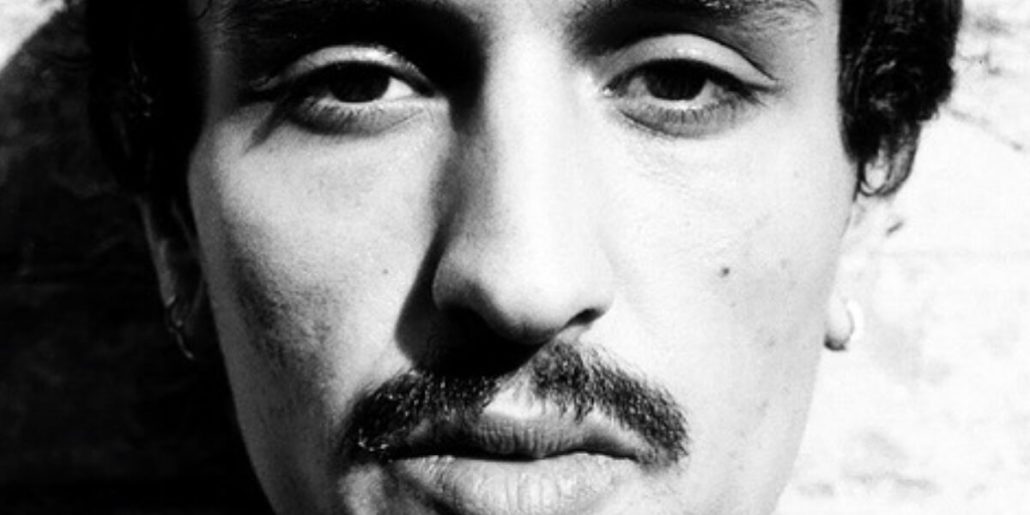
Mustaf Ahmeti is an Antwerp-based performance artist born in Pristina, Kosovo. In 2020, they graduated as drama artist in the master’s program at KASK, Ghent. In addition to acting, Mustaf’s practice also includes physical and abstract visual work and performance art. By focusing on the body as a field of research, they make an attempt through rituals to explore the relationship between the human and what is experienced as alienating, between humans and nature, nature and culture, fear and control. In their work, they want to get away from reductive ideologies, values, norms and truths in order to (re)discover ourselves — and thus also our own alienation.
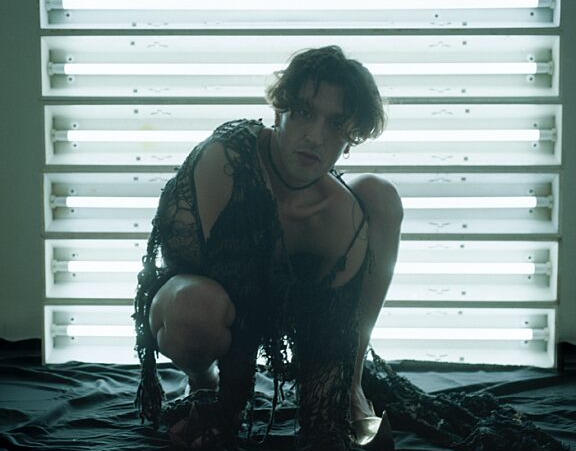
Their practice is deeply rooted in their personal experiences as a non-binary person living in schism. They use a variety of media, including performance and visual/installation art, to convey their complex and often contradictory perspectives.
They explore themes of identity and body politics, displacement and the experience of queer bodies in repressive societies. Their research draws from a wide range of sources, including mythology, theological imagery and iconography, mystical practices, esoterism, Sufism, classicism, the Middle Ages, posthumanism/transhumanism, cyberpunk, and queer theory. These frameworks are actively woven together to reimagine suppressed modes of representation, body politics, and speculative futures, with the aim of disrupting dominant orders and opening space for forms of existence that escape binary or normative definitions.
In residentie new project
01.10.2025 – 01.10.2025
Their practice is deeply rooted in their personal experiences as a non-binary person living in schism. They use a variety of media, including performance and visual/installation art, to convey their complex and often contradictory perspectives.
They explore themes of identity and body politics, displacement and the experience of queer bodies in repressive societies. Their research draws from a wide range of sources, including mythology, theological imagery and iconography, mystical practices, esoterism, Sufism, classicism, the Middle Ages, posthumanism/transhumanism, cyberpunk, and queer theory. These frameworks are actively woven together to reimagine suppressed modes of representation, body politics, and speculative futures, with the aim of disrupting dominant orders and opening space for forms of existence that escape binary or normative definitions.